
Software for Grocery Stores - ERP and Point-of-Sale Systems





Everything you need for high sales volumes, all in one package
In the grocery retail sector, volumes are high: thousands of transactions every day, long operating hours, and frequently changing prices and profit margins, all of which are directly affected by operational efficiency. A grocery store’s point-of-sale system must keep checkout lines moving during peak hours, ensure prices are correct on every shelf, and keep inventory levels up to date—even with a wide product selection. At the same time, staff turnover can be high, and the time available for training new employees
is limited.
Confirma brings it all together: fast checkout at staffed registers, self-checkout lanes during peak hours, self-service scales for fruits and vegetables, electronic
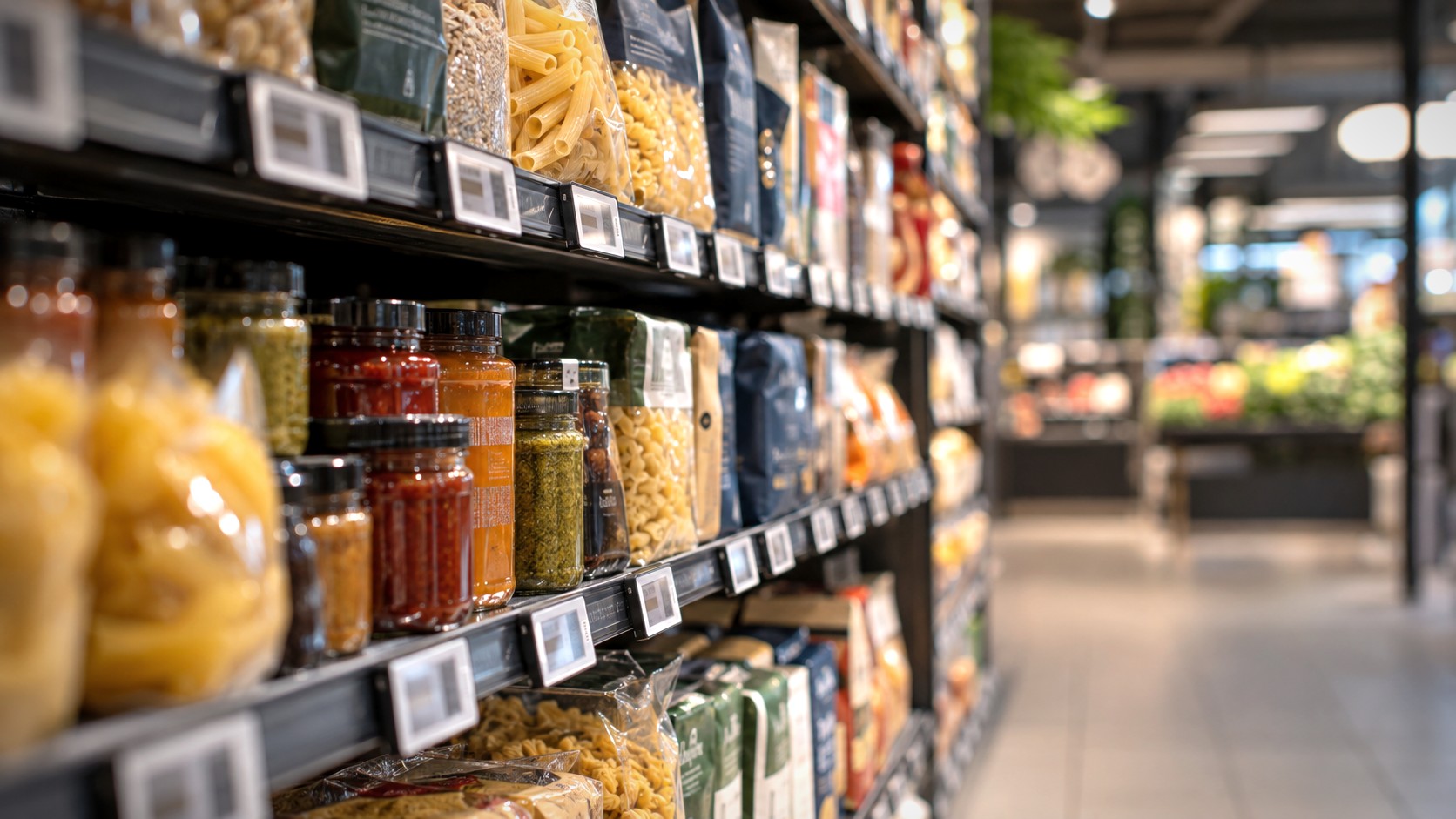
shelf-edge labels for price management, and purchasing based on electronic delivery data, where prices and inventory levels are updated automatically. Everything is based on the same product data, from the shelf edge all the way to the receipt.
Whether it's a supermarket, a neighborhood store, or a multi-store chain, Confirma helps you serve more customers with less administrative work.
Are you looking for a better way to run your business?
Software Solutions for the Grocery Industry
Confirma Jeemly
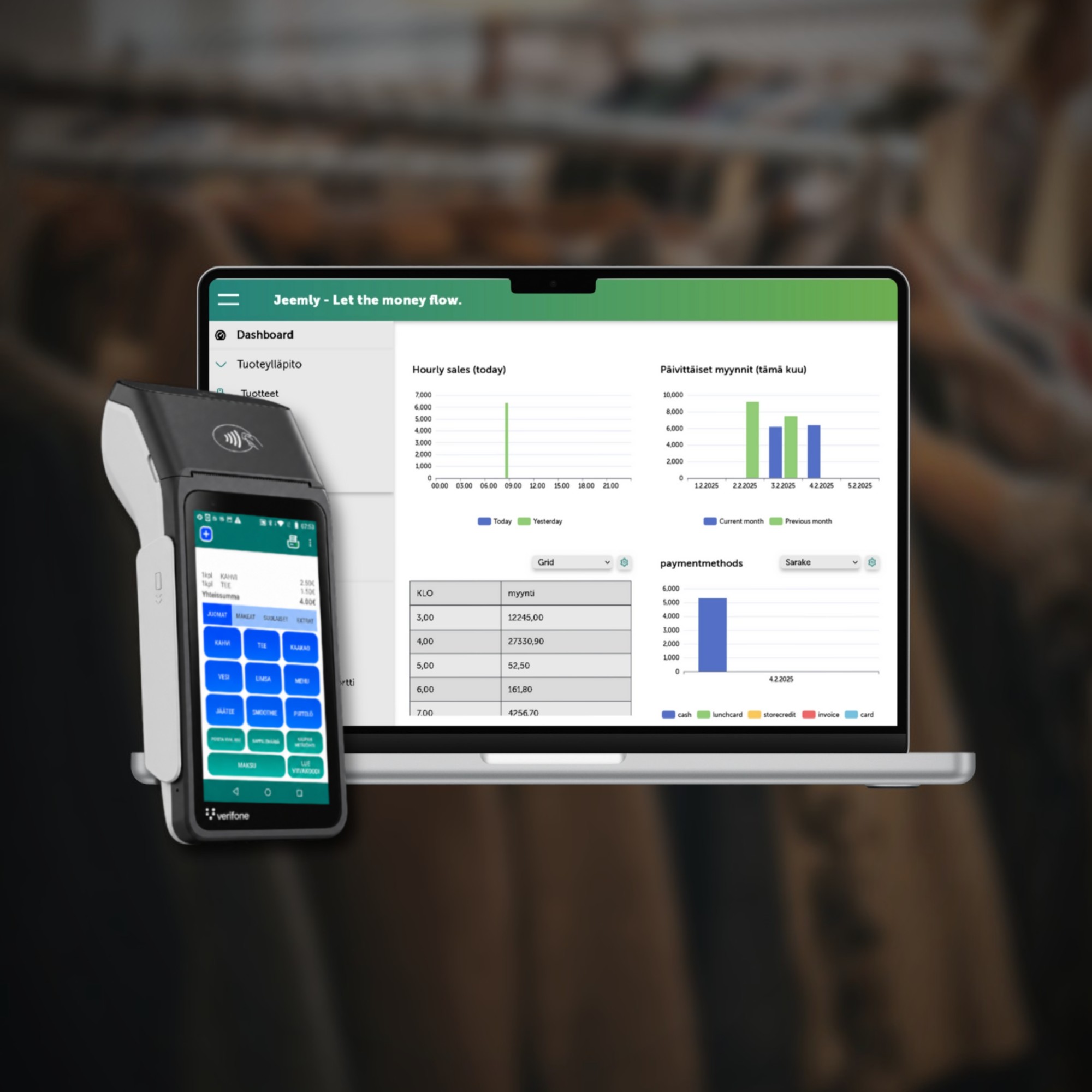
An ERP and point-of-sale system for grocery stores, designed for large product assortments, frequently changing prices, and chain-wide management.
- Fast barcode-based point-of-sale processing and support for products that require weighing
- Centralized product information and pricing across all stores
- Electronic shipping information: Supplier orders automatically update prices and inventory levels
- Recording losses as part of daily routines
- External services, such as Veikkaus
Self-checkout registers
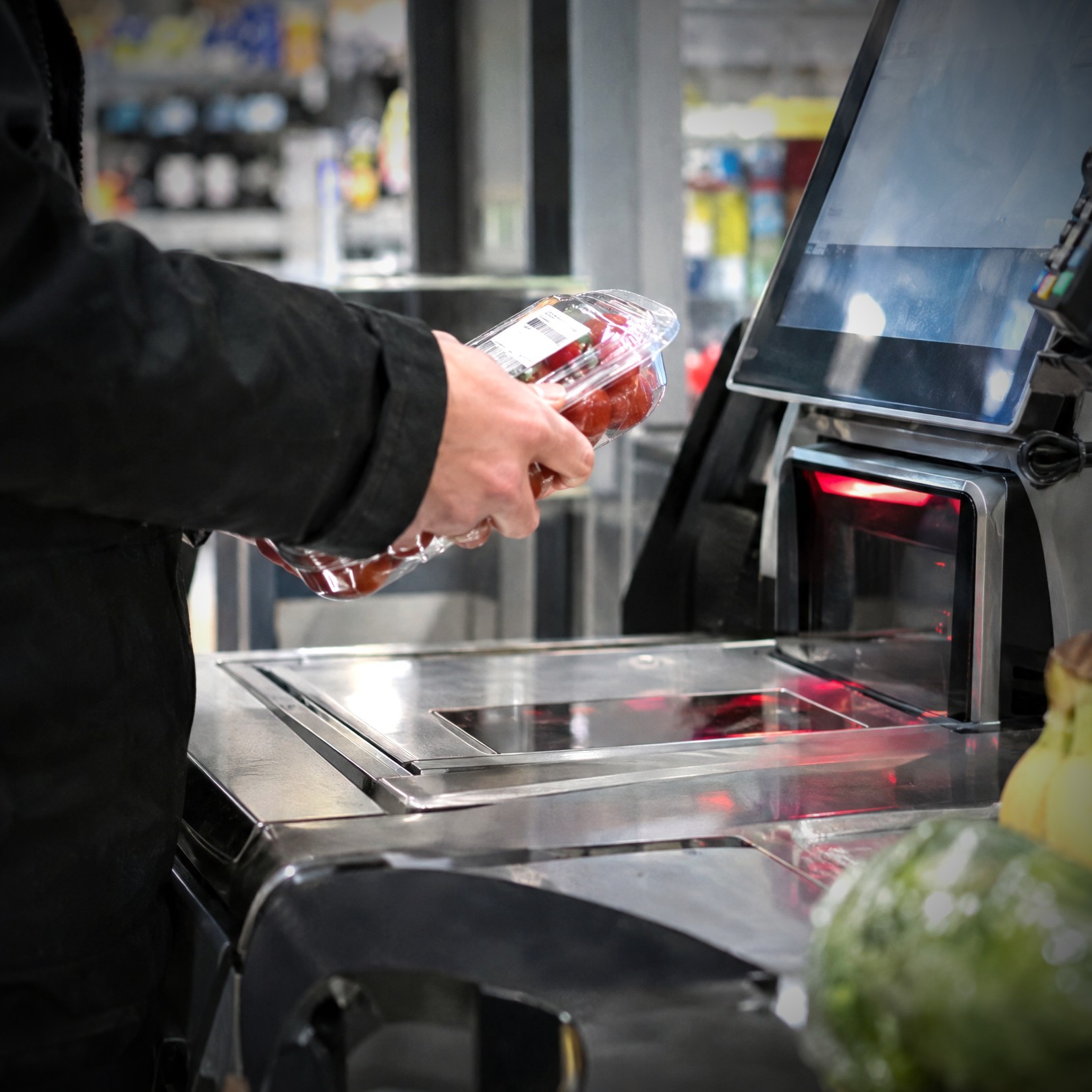
Serve more customers with your current staff. Self-service solutions use the same products, prices, and reporting as other registers.
- Self-checkout lanes during peak hours and extended hours
- The same product information as on traditional cash registers
- Shorter lines and less work at the register
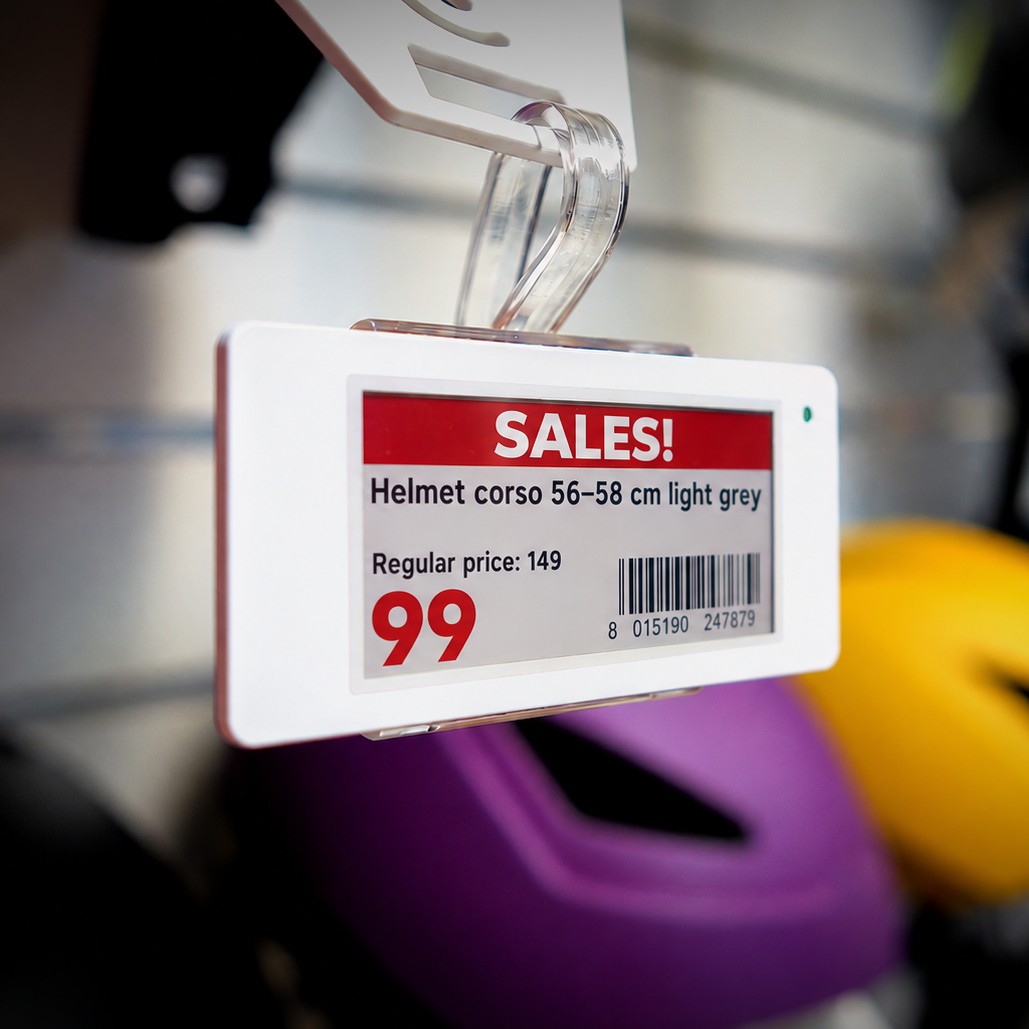
Electronic Shelf Labels (ESL)
Digital price displays for the rapidly changing prices in the grocery industry.
- Shelf prices are automatically updated from the centralized pricing system
- Prices on the shelves and at the register will remain the same
- Launch campaigns across the entire chain in just a few minutes
- No manual replacement of price tags
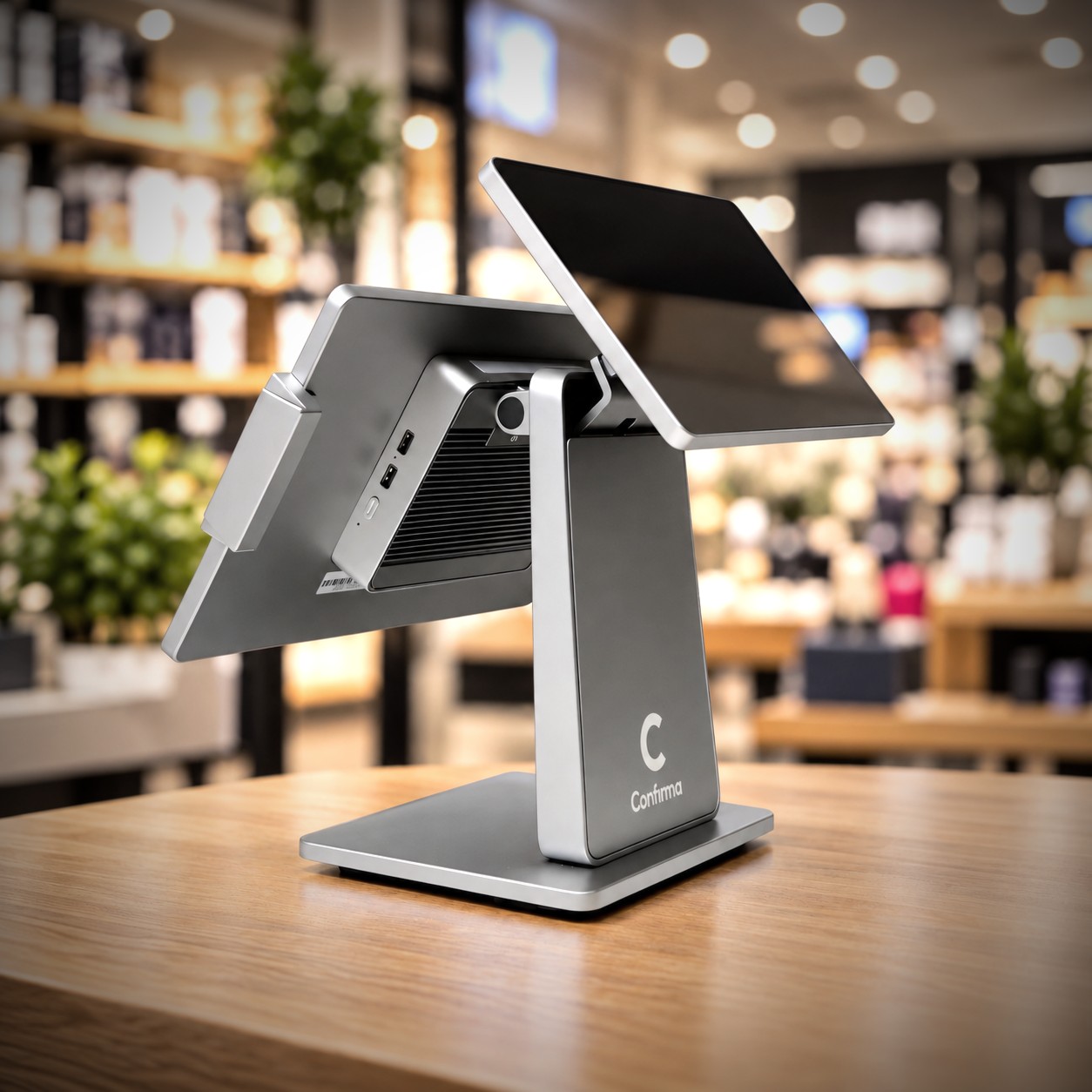
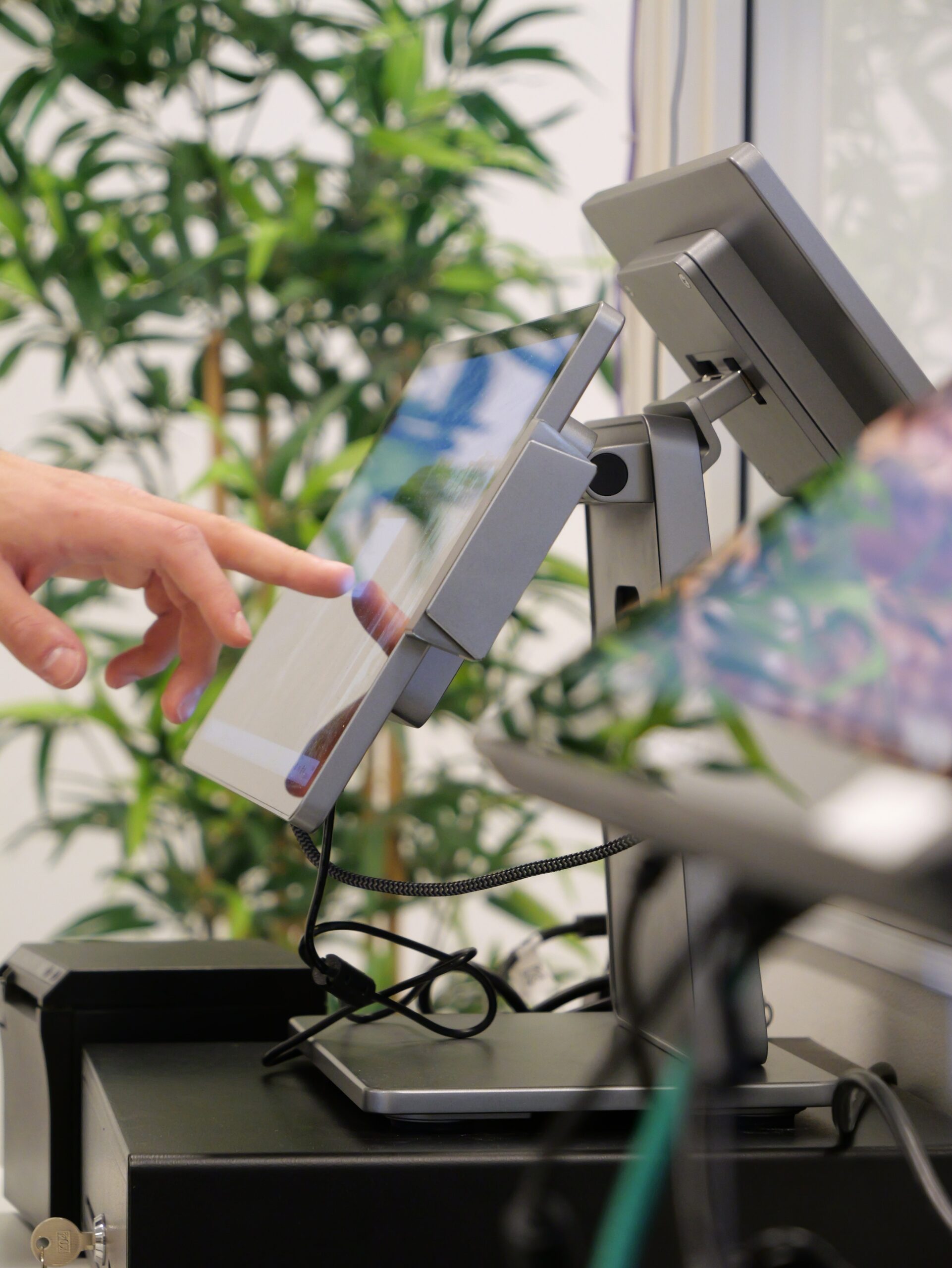
Cash registers and payment terminals
Rent cash registers, payment terminals, and warehouse handheld terminals on a flexible basis for exactly as long as you need them.
- Cash Register Displays
- Payment Terminals
- Self-service scales
- Handheld terminals
Why do grocery stores choose self-checkout registers?
Faster service during peak hours
Morning and afternoon peak hours largely determine how smoothly the store’s day runs. Self-checkout lanes provide additional checkout points without requiring extra staff. Customers buying just a few items can move through the line quickly, while staffed registers efficiently serve those making larger purchases.
Less work at the register
When self-checkout registers and scales handle some of the routine transactions, staff have more time for other tasks: stocking shelves, assisting customers, and maintaining the store. In a labor-intensive industry, reallocating work time can quickly boost day-to-day efficiency.
The same system powers every register
Confirma’s self-checkout registers use the same products, prices, and reporting as staffed registers. There is no need to maintain a separate product catalog or reconcile data between different systems. Every sales transaction is included in the same real-time reporting, regardless of the type of register.
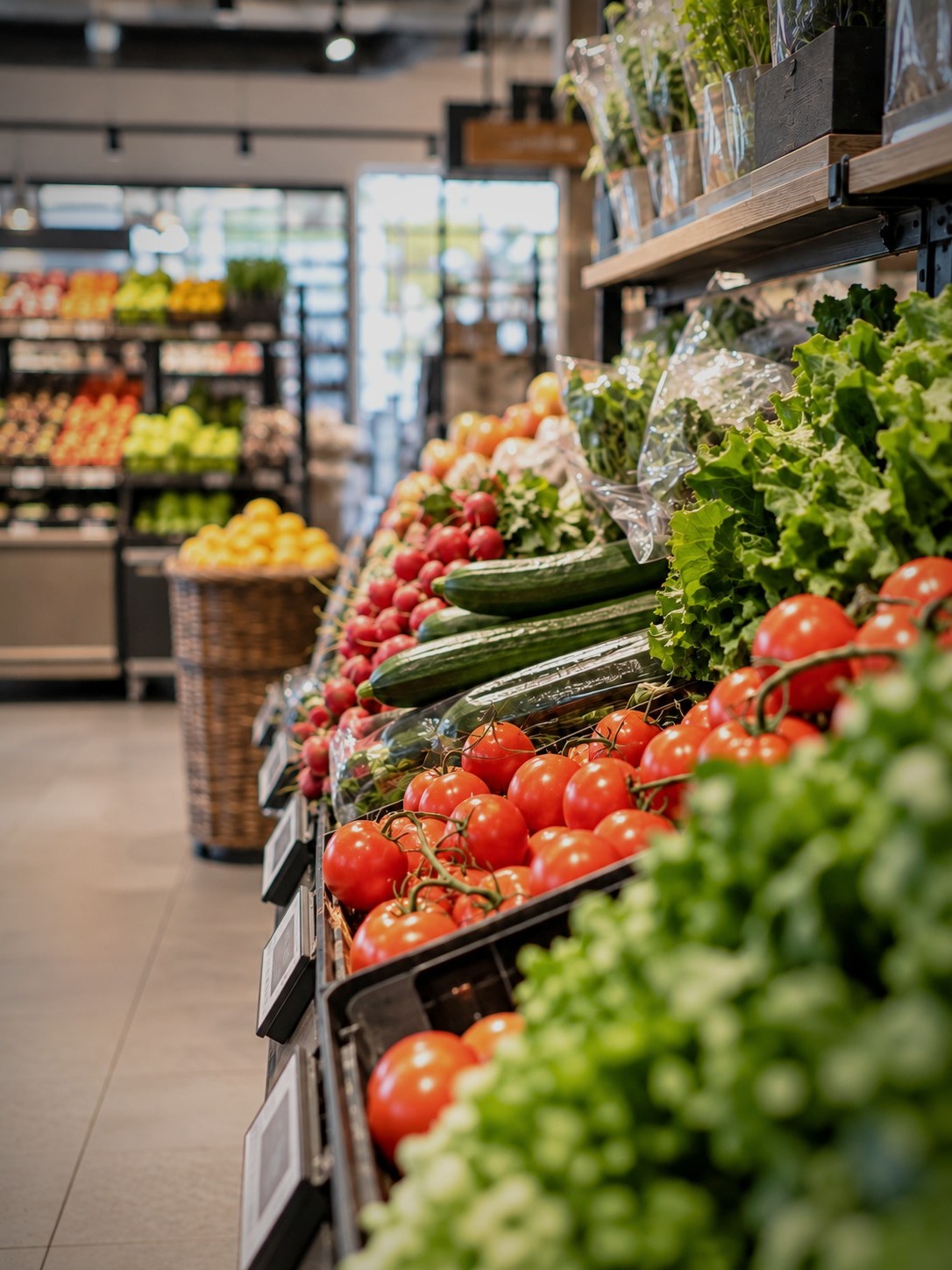
Features Designed for the Grocery Retail Industry
Scale Integrations and Products to Be Weighed
Products sold by weight are a common feature of grocery stores. Weighed items can be processed at the checkout, and self-service scales allow customers to weigh and price fruits and vegetables themselves. Prices are derived from the same centralized product data as those for other products.
Inventory Management, Pricing, and Product Information
Up-to-date inventory levels for a wide range of products, centralized product information, and price changes that are updated simultaneously at the registers and on shelf labels. Purchasing is based on electronic delivery data: incoming shipments automatically update inventory levels and prices. Using data collection terminals, inventory can be taken directly in the store without paper lists.
Inventory Write-Offs and Trade Compliance
Waste is recorded as part of daily routines, so the figures better reflect reality and losses become visible rather than being hidden in the gross margin. Sales reporting is automated and supports compliance with regulatory requirements without creating extra work.
Our Other Solutions for Growing Your Business
With the Confirma Flowvy online store, you can sell online using the same products, prices, and inventory levels as in your physical store
Read moreReal-time reporting on sales, profit margins, and peak times, both by store and across the entire chain.
Read moreSend collection orders with a single click directly to our accounting firm, Cash-In, for processing—without the need for separate systems or data transfers.
Read moreA point-of-sale system that supports day-to-day operations and growth in retail
How does the system support the store's day-to-day operations?
From morning to night, the system takes care of everyday routines. Point-of-sale transactions and payments operate as a single integrated system; receipts can be processed electronically or printed; loyalty programs reward returning customers; and every sales transaction is automatically recorded in real-time reports. Companies with multiple locations can manage products, prices, and promotions centrally: a single change is updated across all stores and on shelf labels.
A point-of-sale system built to support growth in the retail industry
An independent neighborhood store and a supermarket chain don’t need the same comprehensive solution, but both can grow alongside the same platform. Start with the point-of-sale system your store needs right now. Add self-checkout lanes when peak times demand it, electronic shelf labels when updating prices takes too much time, and an online store or BI as your business grows. You can also buy or rent POS hardware directly from Confirma.
Questions and Answers
Need help?
Contact us
What is a grocery store point-of-sale system?
Designed for the grocery retail sector, this point-of-sale system supports fast barcode-based checkout, weigh-out items, and scale integrations, extensive product assortments and centralized pricing, real-time inventory management, and automated reporting for both staffed and self-checkout lanes.
What is a supermarket point-of-sale system?
A supermarket point-of-sale system brings grocery retail checkout functions to the chain level. Product information and pricing can be managed centrally across different stores, and the system can be integrated with electronic shelf labels, self-checkout kiosks, and store- and chain-level reporting.
How does the self-checkout system work in conjunction with the point-of-sale system?
The self-checkout operates on the same platform as the staffed registers and uses the same products, prices, and reporting. Customers scan and pay for their purchases themselves; staff can monitor multiple checkout stations simultaneously, and every sales transaction is recorded in the same real-time data system.
How does a point-of-sale system handle inventory management in the grocery industry?
Inventory levels are updated in real time with every sales transaction. Incoming shipments update inventory levels and prices using electronic shipping data; shrinkage is recorded as part of daily routines; and data collection terminals speed up inventory counts. Purchasing decisions can thus be based on up-to-date figures rather than manual shelf checks.
What equipment does a local store's point-of-sale system need?
A checkout station requires a cash register or tablet, a payment terminal, and a receipt printer. A barcode scanner speeds up checkout operations. The equipment can be purchased or rented, and the system can be expanded to suit the store’s needs with, for example, self-checkout lanes, scales, electronic shelf labels, and data collection terminals.
A cash register system or a self-checkout lane—which is better for a small store?
A staffed checkout lane forms the foundation of the store. A self-checkout lane can be added when lines during peak hours begin to affect sales. Because both operate on the same platform, adding a self-checkout lane expands the existing system rather than requiring a separate system project.
How much does a grocery store point-of-sale system cost?
The price depends on the number of checkout lanes and self-checkout kiosks, as well as the equipment required. Confirma offers two pricing models: a commission-based rate starting at 0.99%—no sales, no fees—or a fixed monthly fee. You can purchase or rent the equipment. Contact us to receive a quote tailored to your store’s needs.
Does the system support multiple stores?
Yes. Products, prices, promotions, and reporting can be managed centrally, and changes are updated simultaneously across all stores and on shelf labels.
Contact Us
8b083348-6c19-4f94-8322-b3bdbd6fbe56
Grocery stores
Jeemly
